End of life care and
accompaniment in dying

“Death is the great threshold”
~Celtic Mystic John O'DonohueApproaching the threshold of death can bring up questions and challenges that medicine alone cannot address. Questions about meaning, relationships, legacy. Feelings of fear, hope, connection with spirit, and what matters most. End of life can also bring up struggles around how to care for someone we love, how to prepare, how to say goodbye, and how to remain present when the future feels uncertain.
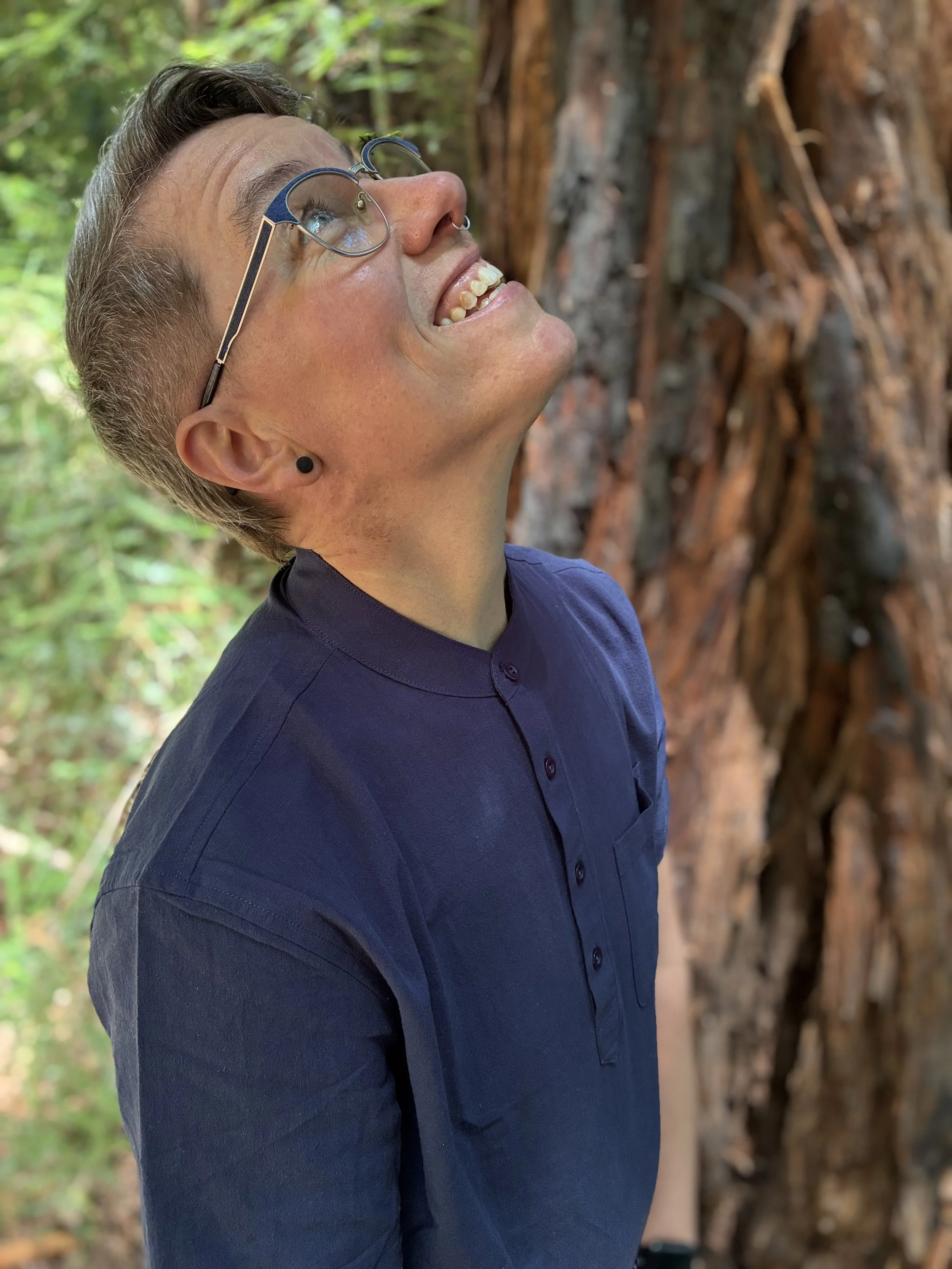
As a board-certified chaplain with more than twenty years of experience in healthcare and community settings, I offer compassionate support for individuals and families navigating serious illness, dying, caregiving, and loss. My work complements medical care, hospice, and palliative care by attending to the emotional, spiritual, relational, and practical dimensions of the journey.
“You matter because you are you, and you matter to the end of your life.”
~Cicely Sunders Founder of the Modern Hospice movementSeveral years ago, I worked with a man living with advanced cancer. When we first met, many of our conversations centered around treatment decisions, uncertainty, and helping his family communicate with the medical team. As his illness progressed, our conversations shifted. We spoke about the people he loved, the life he had lived, and the legacy he hoped to leave behind. Together we explored difficult questions, meaningful rituals, opportunities for connection, and ways for family members to express what needed to be said while there was still time.
Over time, I came to know not only his illness, but his story.
This is often what end-of-life support looks like.
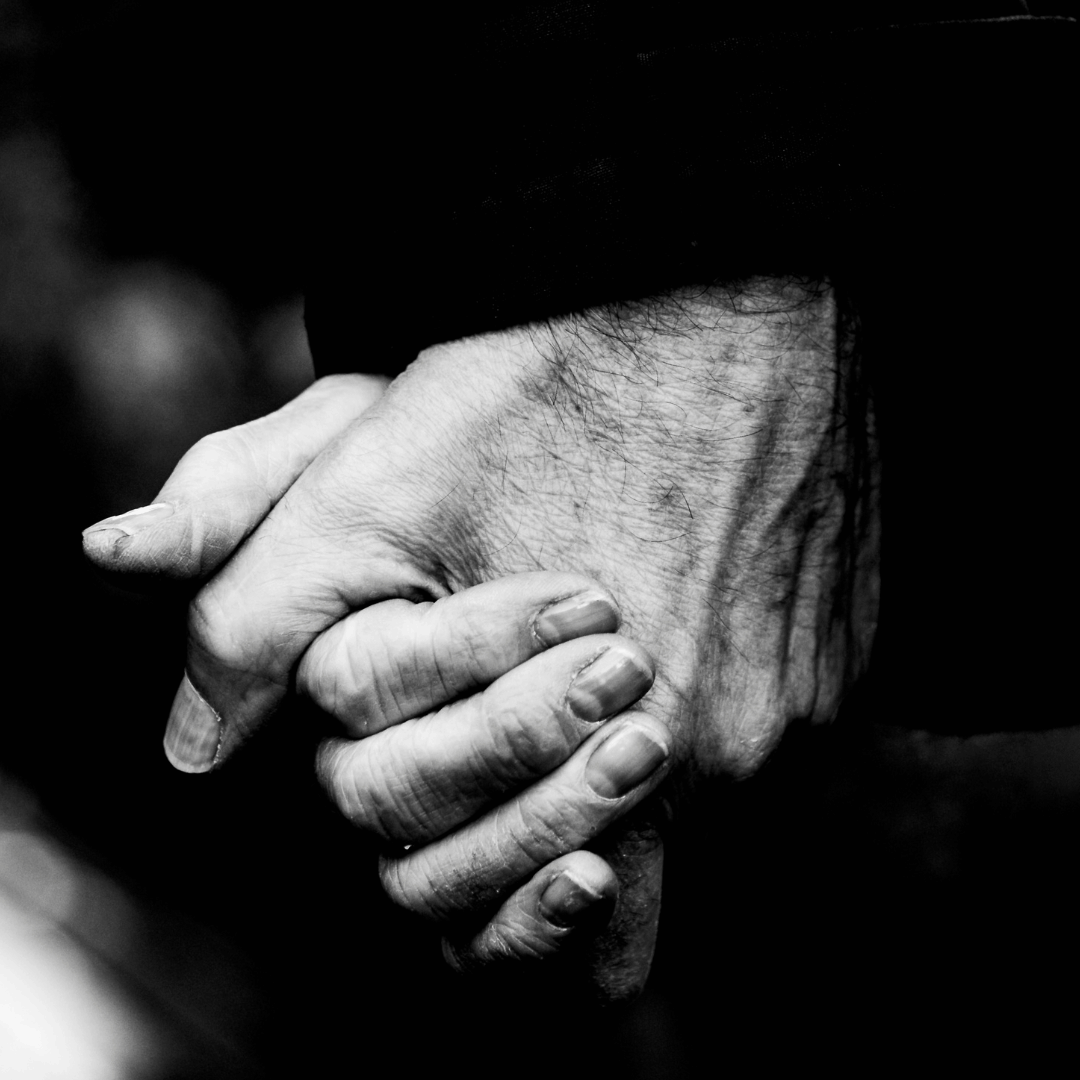
Sometimes it means helping families navigate conversations with healthcare teams or understand available options. Sometimes it means creating space for life review, legacy work, grief, reconciliation, or spiritual reflection. Sometimes it involves supporting caregivers who are carrying tremendous responsibility and heartache. Sometimes it means simply sitting quietly beside someone and helping them feel less alone.
My approach is informed by chaplaincy, end-of-life doula work, ritual practice, and clinical herbalism. When desired, I can help individuals and families explore traditional, ancestral, and plant-based practices that support comfort, presence, meaning-making, and connection during the final stages of life. These practices are never a substitute for medical care, but may provide additional sources of comfort and support for individuals and families who wish to incorporate them.
I work with people from many faith traditions, as well as those who identify as spiritual, secular, questioning, or nonreligious. There is no single right way to approach the end of life. Together, we create space for what matters most as you approach life’s greatest threshold.
If you or someone you love is living with a serious illness, approaching the end of life, considering hospice care, or seeking additional support alongside existing care, I would be honored to speak with you.